
Minority Mental Health Awareness: Breaking Barriers to Wellbeing
Minority Mental Health Awareness reminds us that mental wellbeing is not a luxury; it is a fundamental part of living a healthy, fulfilling, and empowered life.
Every July shines a light on the unique challenges many racial and ethnic minority communities face when accessing mental health support.
While conversations about wellness have become more common, significant barriers still exist. Stigma, cultural misconceptions, lack of access to care, and systemic inequalities continue to prevent many individuals from receiving the support they need.
For today's leaders, professionals, caregivers, and community advocates, prioritizing mental health is no longer optional. It is essential for sustainable wellbeing, healthy relationships, and long-term success.
Why Minority Mental Health Awareness Matters Today
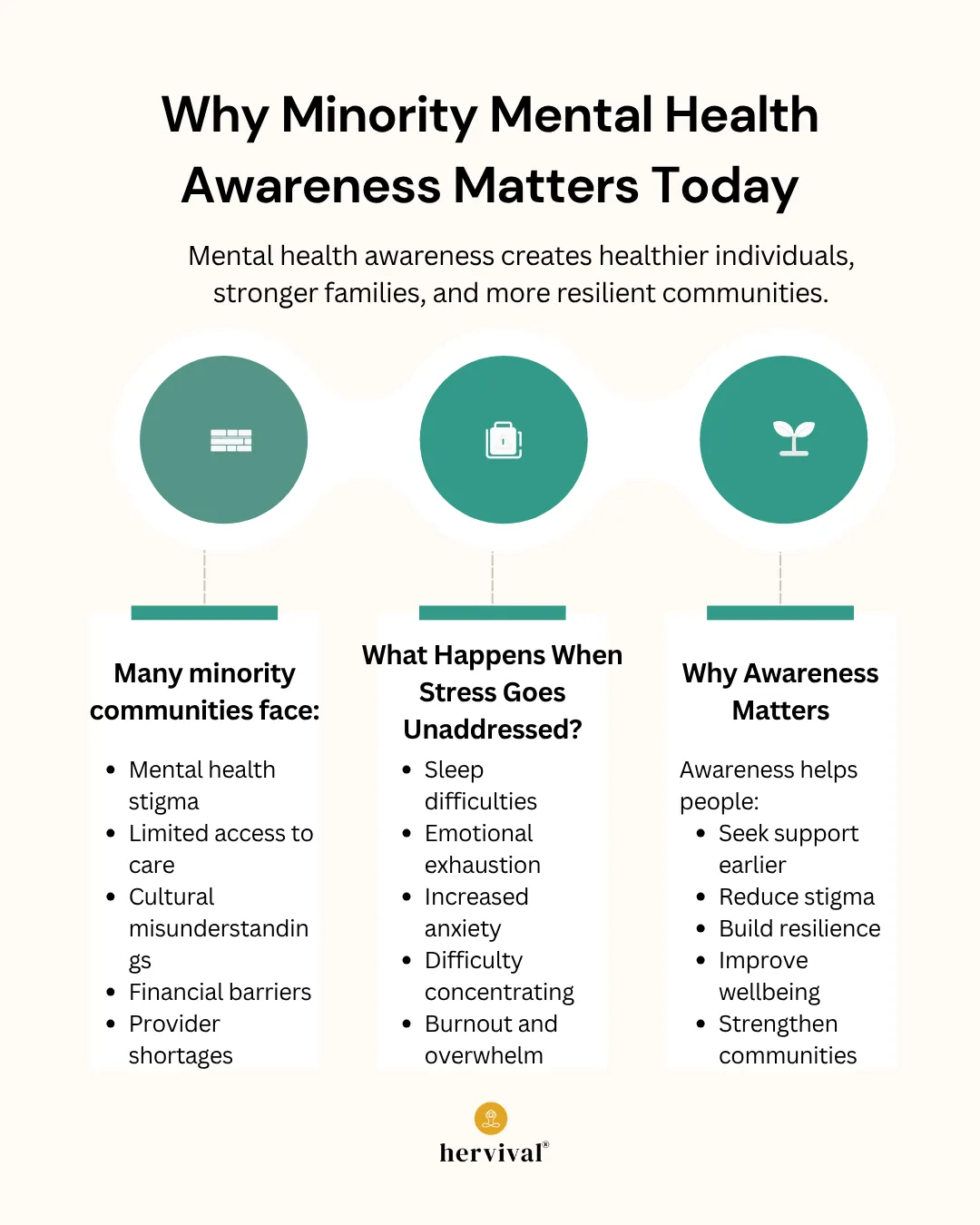
Despite growing awareness, mental health disparities remain a significant public health concern in the United States.
Research from the U.S. Department of Health and Human Services shows that racial and ethnic minority groups are often less likely to receive mental health treatment and more likely to face barriers when seeking care. These barriers may include financial challenges, cultural stigma, language differences, provider shortages, and limited access to culturally responsive services.
The result is often untreated stress, anxiety, depression, and emotional exhaustion that can affect every aspect of daily life.
For many individuals, these challenges influence:
Sleep quality
Workplace performance
Physical health
Family relationships
Emotional resilience
Overall quality of life
This conversation closely aligns with our article, "Minority Health and Equity: Closing the Care Gap Today," which explores how healthcare disparities continue to affect wellbeing outcomes across diverse communities.
Understanding Mental Health Stigma in Diverse Communities
One of the most significant barriers addressed during Minority Mental Health Awareness Month is stigma.
In many communities, mental health struggles are often misunderstood or minimized. Some individuals grow up hearing messages such as:
"Just be strong."
"Pray about it."
"Other people have it worse."
"Mental health problems don't happen in our community."
While resilience and faith can be powerful sources of strength, they should not replace access to mental health support when needed.
Mental health stigma can prevent people from:
Seeking therapy
Talking openly about emotional struggles
Asking for support
Recognizing signs of burnout
Prioritizing emotional wellness
Breaking these barriers begins with honest conversations and increased awareness.
The Impact of Chronic Stress on Minority Wellbeing
Many people associate mental health only with diagnosed conditions.
However, mental wellbeing is also shaped by everyday experiences.
Financial pressure, workplace discrimination, caregiving responsibilities, community expectations, social inequities, and economic uncertainty can create ongoing stress that accumulates over time.
According to research from the American Psychological Association, chronic stress can affect both physical and mental health outcomes, contributing to increased risk of anxiety, cardiovascular disease, sleep problems, and emotional fatigue.
For younger professionals and emerging leaders, this often appears as:
Constant exhaustion
Difficulty concentrating
Emotional overwhelm
Reduced motivation
Irritability
Trouble maintaining work-life balance
This is why conversations about community mental health must go beyond crisis intervention and focus on prevention, recovery, and sustainable wellness practices.
Why Emotional Wellness for Diverse Communities Matters
Mental wellbeing affects much more than mood.
It influences how we think, communicate, solve problems, and navigate challenges.
Strong emotional wellness helps individuals:
Manage stress effectively
Build healthy relationships
Make thoughtful decisions
Maintain resilience during setbacks
Support their physical health
For leaders, especially, emotional well-being influences workplace culture, communication style, and decision-making.
Practical Ways to Support Your Mental Wellbeing
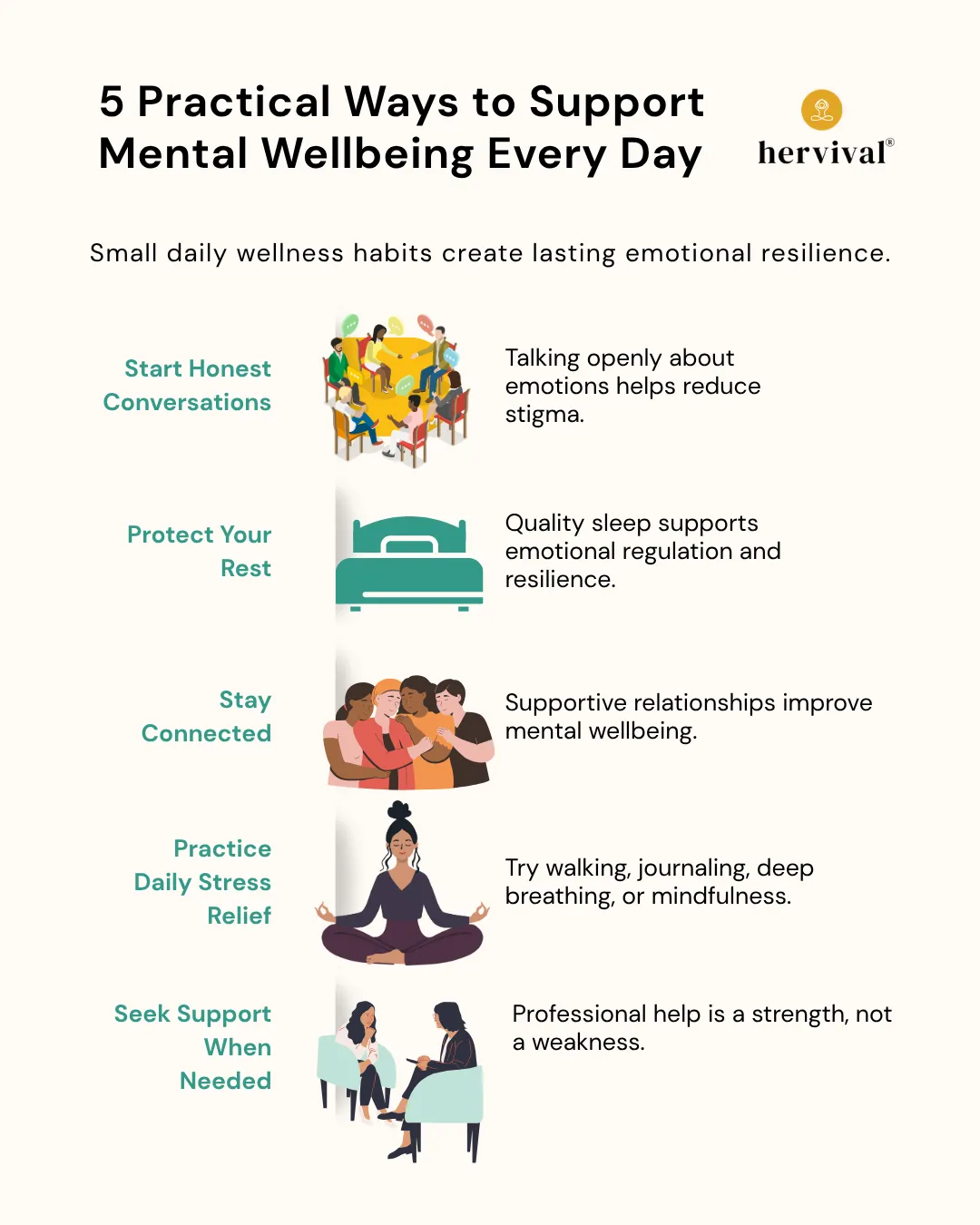
Improving mental health does not always require dramatic life changes.
Small, consistent habits often create the greatest impact.
Prioritize Rest and Recovery
Many people normalize exhaustion as a sign of productivity.
In reality, recovery supports emotional regulation, focus, and resilience.
Simple actions include:
Maintaining a consistent sleep schedule
Taking regular breaks throughout the day
Creating technology-free moments
Protecting personal downtime
If you're looking to deepen your understanding of recovery, our article Mental Health Habits That Last Beyond Awareness Months explores sustainable wellness practices that support long-term resilience.
Build Supportive Relationships
Connection remains one of the strongest protective factors for mental health.
Consider:
Reaching out to trusted friends
Joining community groups
Participating in wellness-focused spaces
Seeking mentorship and support networks
Healthy communities create healthier individuals.
Practice Stress Management
Managing stress proactively can improve both mental and physical wellbeing.
Helpful strategies include:
Mindfulness practices
Deep breathing exercises
Journaling
Physical activity
Spending time outdoors
You may also find value in Leadership and Stress Hormones: Why Regulated Minds Lead Better, which explores how stress affects the brain and practical ways to regulate it.
Seek Professional Support When Needed
Mental health support is a sign of strength, not weakness.
Therapists, counselors, coaches, and support groups can provide valuable tools for managing life's challenges.
Seeking help early often leads to better long-term outcomes.
The Importance of Healthcare Equity
Creating lasting change requires more than individual action.
It also requires addressing broader systems.
Healthcare equity means ensuring that everyone has access to quality care regardless of race, ethnicity, income, language, or geographic location.
This includes:
Increasing access to mental health providers
Expanding culturally responsive care
Reducing financial barriers
Improving mental health education
Supporting underserved communities
When healthcare becomes more accessible, entire communities benefit.
Moving From Awareness to Action
Awareness months play an important role in starting conversations.
But meaningful progress happens when awareness becomes action.
Supporting minority wellbeing means:
Listening without judgment
Challenging stigma
Prioritizing self-care
Advocating for equitable healthcare
Creating supportive environments
Investing in emotional wellness year-round
Every small action contributes to a healthier future.
A New Vision for Wellbeing
The goal of Minority Mental Health Awareness is not simply to highlight challenges.
It is to create hope.
To encourage conversations that have long been avoided.
And remind individuals that mental health matters, support is available, and wellbeing deserves attention.
When communities prioritize emotional health alongside physical health, resilience becomes stronger, relationships become healthier, and future generations gain new opportunities to thrive.
Reflection
National Minority Mental Health Awareness Month offers an important reminder:
Mental wellbeing is not separate from success.
It is not separate from leadership.
It is not separate from health.
It is one of the foundations upon which all of these things are built.
By breaking barriers, reducing stigma, and expanding access to support, we can help create a future where everyone has the opportunity to thrive, not just survive.
Stay Connected With Hervival
If this reflection resonated with you, we invite you to subscribe to the Hervival Newsletter.
Each edition shares practical wellness insights, emotional resilience strategies, leadership resources, and evidence-based approaches to help women and communities thrive.
Join our growing community and receive thoughtful guidance designed to support your wellbeing journey, one step at a time.
Research & References
U.S. Department of Health and Human Services. Minority Mental Health Resources and Data.
National Alliance on Mental Illness. Mental Health by the Numbers.
American Psychological Association. Stress in America Reports.
Centers for Disease Control and Prevention. Mental Health and Wellbeing Resources.
Substance Abuse and Mental Health Services Administration. Behavioral Health Equity Resources.


