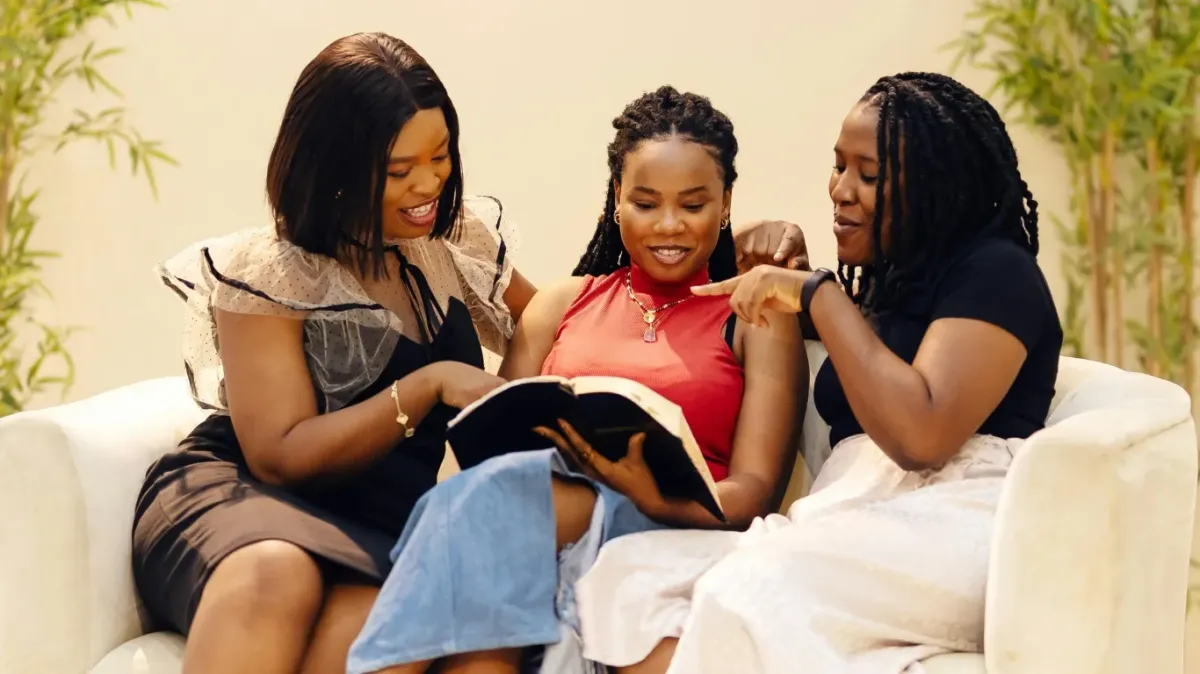
From Emotional Exhaustion to Balance
Emotional Exhaustion to Balance is not about pushing harder; it’s about being supported better. For many busy professionals across the U.S., exhaustion has quietly become the baseline.
You wake up tired, move through your day on autopilot, and tell yourself you’ll rest “later,” even though later rarely comes.
If this feels familiar, you’re not failing. You’re responding to a system that rewards overwork and expects women to carry emotional, professional, and personal responsibilities without pause. At Hervival, we believe support builds balance; isolation does not.
This idea connects closely with the principles in our article on Designing a Wellness Vision That Honors Both Rest and Resistance, where rest is honoured as an essential part of wellbeing alongside strength. Both perspectives remind us that emotional recovery isn’t about putting in more effort; it’s about achieving greater alignment.
Why Emotional Exhaustion Is So Common for Busy Professionals
Emotional Exhaustion to Balance is a journey many women begin without realising it. Long hours, leadership pressure, caregiving roles, and constant decision-making drain emotional energy over time.
According to the American Psychological Association, women are more likely than men to report chronic stress and emotional fatigue related to work-life demands.
Moreover, emotional exhaustion doesn’t always look dramatic. Often, it shows up as:
Feeling disconnected from work you once loved
Irritability or emotional numbness
Difficulty resting without guilt
Feeling “on” all the time, even when depleted
Because these signs are subtle, many women ignore them until exhaustion becomes unavoidable.
When self-doubt creeps in, with questions like “Am I not trying hard enough?” or “Why can’t I keep up?” it’s helpful to work with nurturing practices that reinforce inner resilience. Our guided mantras in Self-Doubt Mantras: 7 Soulful Ways to Embrace Your Inner Light offer gentle reminders that your worth isn’t defined by exhaustion or the pace at which you achieve.
How Emotional Exhaustion to Balance Happens Through Support Systems

Emotional Exhaustion to Balance becomes possible when women stop trying to recover alone. Support systems serve as emotional anchors, helping women process stress rather than carrying it silently.
Support can look different for everyone, but its impact is consistent. Research indicates that strong social and professional support can significantly reduce burnout and enhance emotional resilience.
Support systems help by:
Normalising rest and boundaries
Offering shared experiences that reduce isolation
Providing accountability without pressure
Creating space to reflect and reset
Simply put, balance grows where support exists.
Why Community Is Essential for Emotional Recovery
Emotional Exhaustion to Balance thrives in community, not isolation. While self-care routines are helpful, they cannot replace meaningful connections. Talking things through, being seen, and knowing you are not alone activate emotional healing in ways no checklist ever could.
For women in leadership and professional roles, community becomes even more important. Leadership can be isolating, and without trusted spaces, exhaustion deepens quietly. This is why supportive wellness communities, like those fostered at Hervival, are essential, not optional.
Practical Ways Support Systems Help Women Restore Balance
Here are a few realistic ways women can move from emotional exhaustion to balance through support:
Peer Support
Regular conversations with women who understand your lived experience reduce emotional overload.Mentorship and Coaching
Guidance helps women navigate stress, set boundaries, and make informed leadership decisions with clarity.Wellness Communities
Shared spaces focused on wellbeing encourage consistency, reflection, and accountability.Safe Spaces to Be Honest
Emotional recovery requires spaces where women can speak freely without judgment.
Over time, these supports don’t just ease stress; they rebuild confidence and energy.
Emotional Exhaustion to Balance Is a Leadership Practice

Emotional Exhaustion to Balance is not a weakness; it is a leadership skill. Leaders who prioritize emotional well-being make better decisions, communicate more clearly, and model healthier work cultures.
At Hervival, we believe that leadership and wellness must coexist. Emotional support empowers women to lead with more compassion, sustainability, and impact, both professionally and personally.
How Hervival Supports the Journey from Exhaustion to Balance
Hervival exists to remind women that they don’t have to choose between success and wellbeing. Our wellness-focused community supports leaders and professionals through connection, reflection, and shared growth, without pressure or the need for performative productivity.
We don’t promise quick fixes. Instead, we offer steady support and meaningful conversations to remind you that balance is built together. Join Hervival membership and prioritize your well-being in a sacred space designed for women ready to grow, heal, and stay consistent.
You Don’t Need More Pressure, You Need Support
If you’re feeling stretched thin, know this: Emotional Exhaustion to Balance is possible, and it doesn’t require doing more. It means being supported, seen, and reminded that your well-being matters, now, not later.
Recovery is not a solo journey. Exhaustion does not earn balance; instead, allowing support fosters its growth.
References
American Psychological Association. (2023). Stress in America™: A Nation Recovering from Collective Trauma.
https://www.apa.org
Holt-Lunstad, J., Smith, T. B., Baker, M., Harris, T., & Stephenson, D. (2018). Loneliness and social isolation as risk factors for mortality. Perspectives on Psychological Science, 13(3), 227–237.
https://doi.org/10.1177/1745691618764757


